Winter Driving Tips
Winter Driving in Calgary: Essential Safety Tips for Snow and Ice
Learn how to drive safely through Calgary winters. Discover practical tips for snow and ice, winter vehicle preparation, skid control and safer driving habits.
 Written by Jigar Dadawala
Published 7 min read
Jump to a section
Winter Driving in Calgary: Essential Safety Tips for Snow and Ice
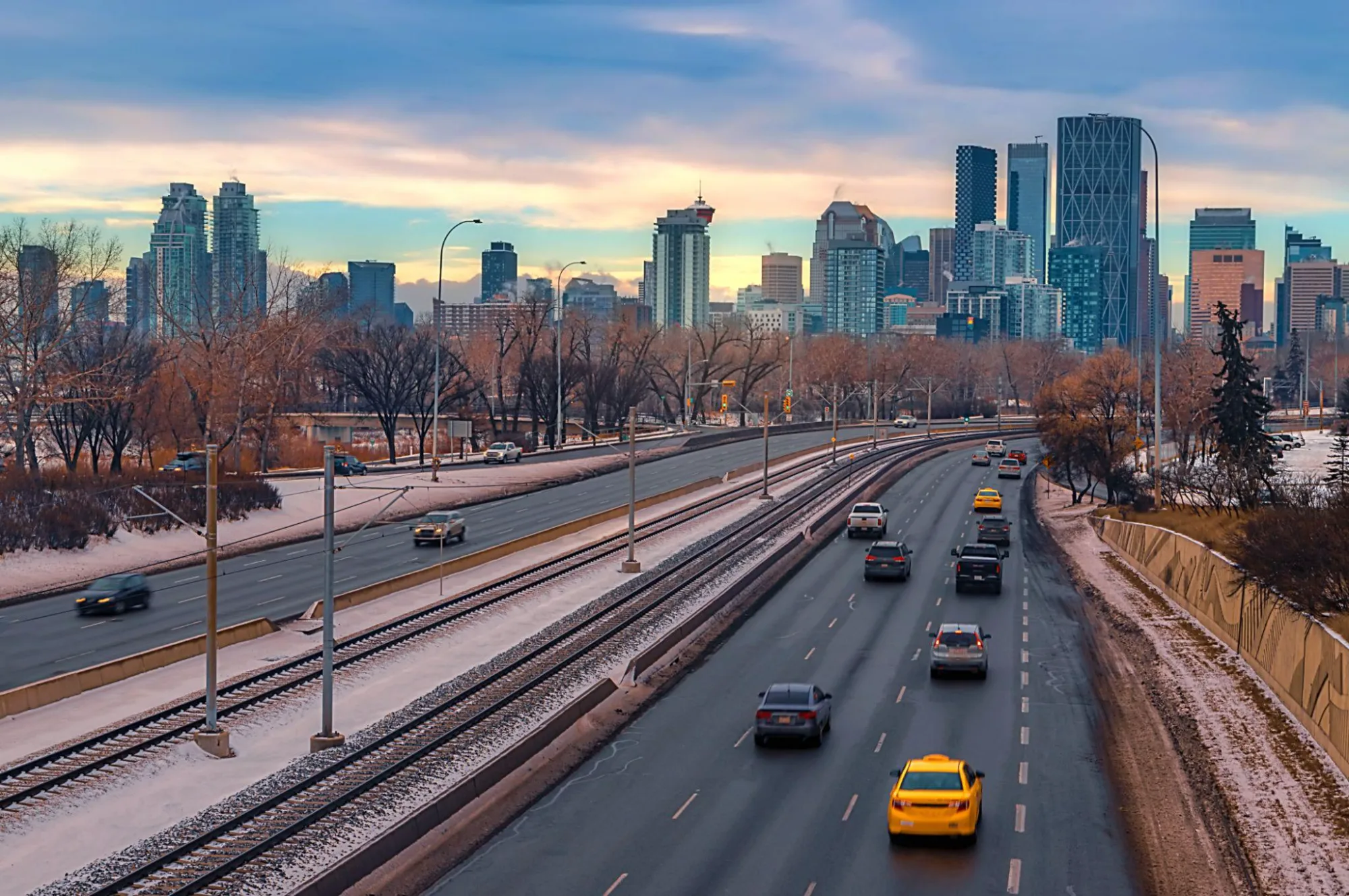
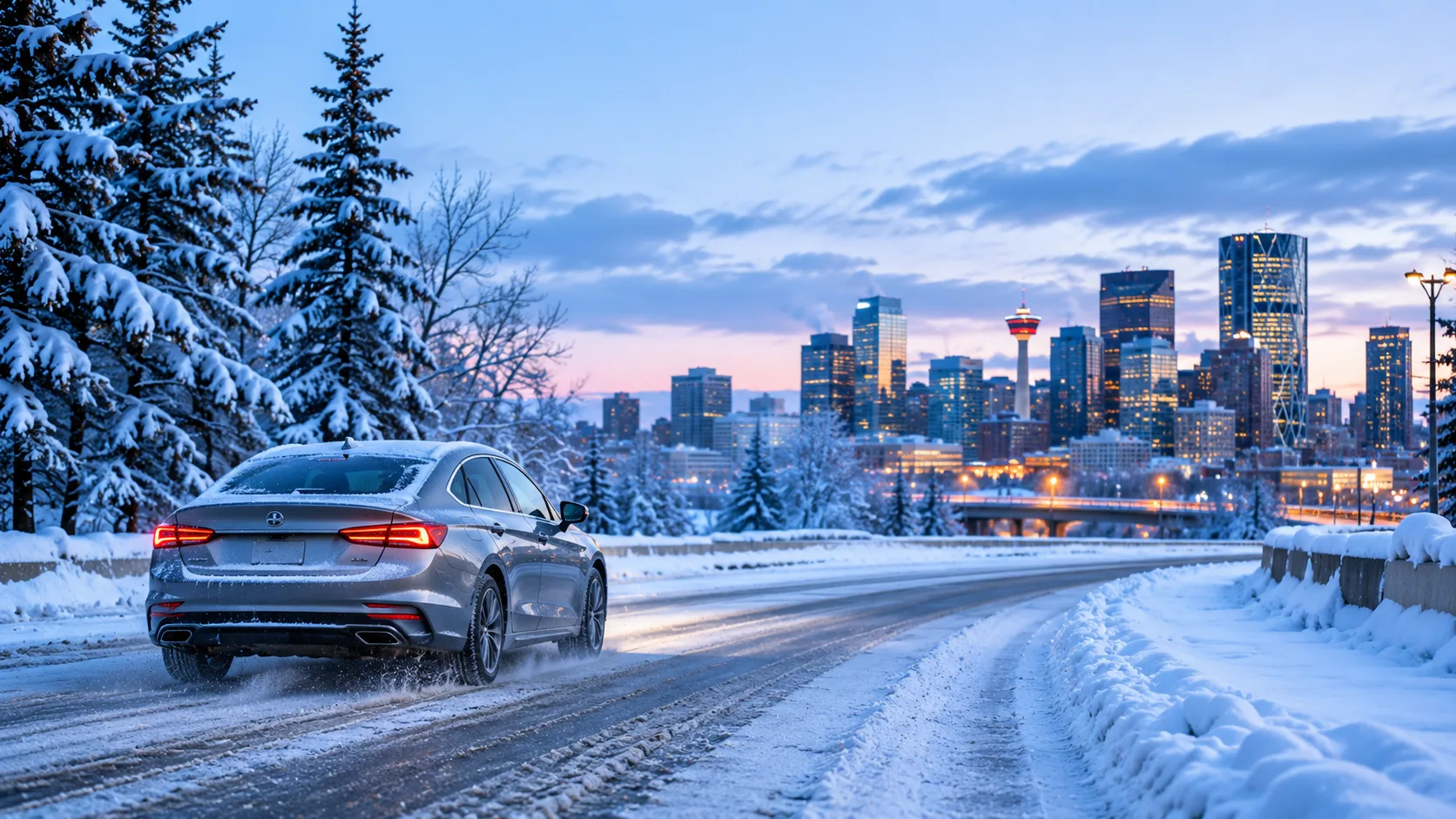
Winter in Calgary can change driving conditions in a matter of hours. A clear road in the morning can become snow-covered, slippery or difficult to see through by the afternoon. For new drivers, especially, these conditions can feel intimidating.
The key to safe winter driving is preparation, patience and knowing how to adjust your driving habits when the weather changes.
Whether you are a new driver, preparing for your road test or an experienced motorist, these practical winter driving tips can help you navigate Calgary roads more confidently.
1. Prepare Your Vehicle Before Winter Arrives
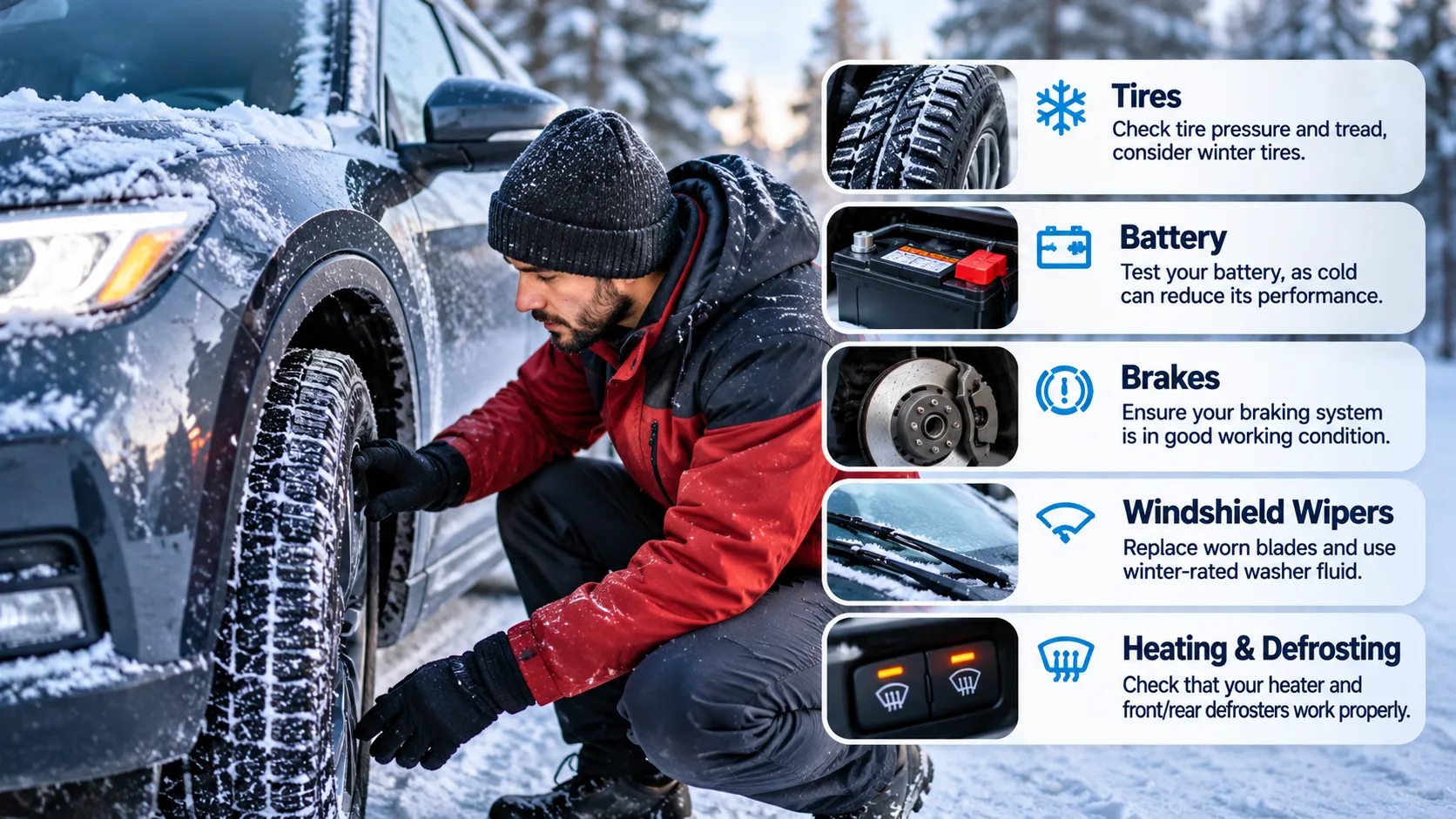
Before the first major snowfall, make sure your vehicle is ready for colder temperatures and winter road conditions.
Here are five important things to check:
Tires: Check tire pressure, tread depth and overall condition. Consider installing four winter tires for improved traction in cold and snowy conditions.
Battery: Cold temperatures can reduce battery performance. Have it tested before winter gets severe.
Brakes: Make sure your braking system is working properly.
Windshield wipers: Replace worn blades and use winter-rated windshield washer fluid.
Heating and defrosting: Check that your heater and front and rear defrosters work properly.
Winter tires are designed to provide better traction than regular all-season tires in cold, snowy and icy conditions. Alberta does not currently require winter tires by law, but they are recommended for severe winter conditions.
2. Clear All Snow and Ice Before Driving
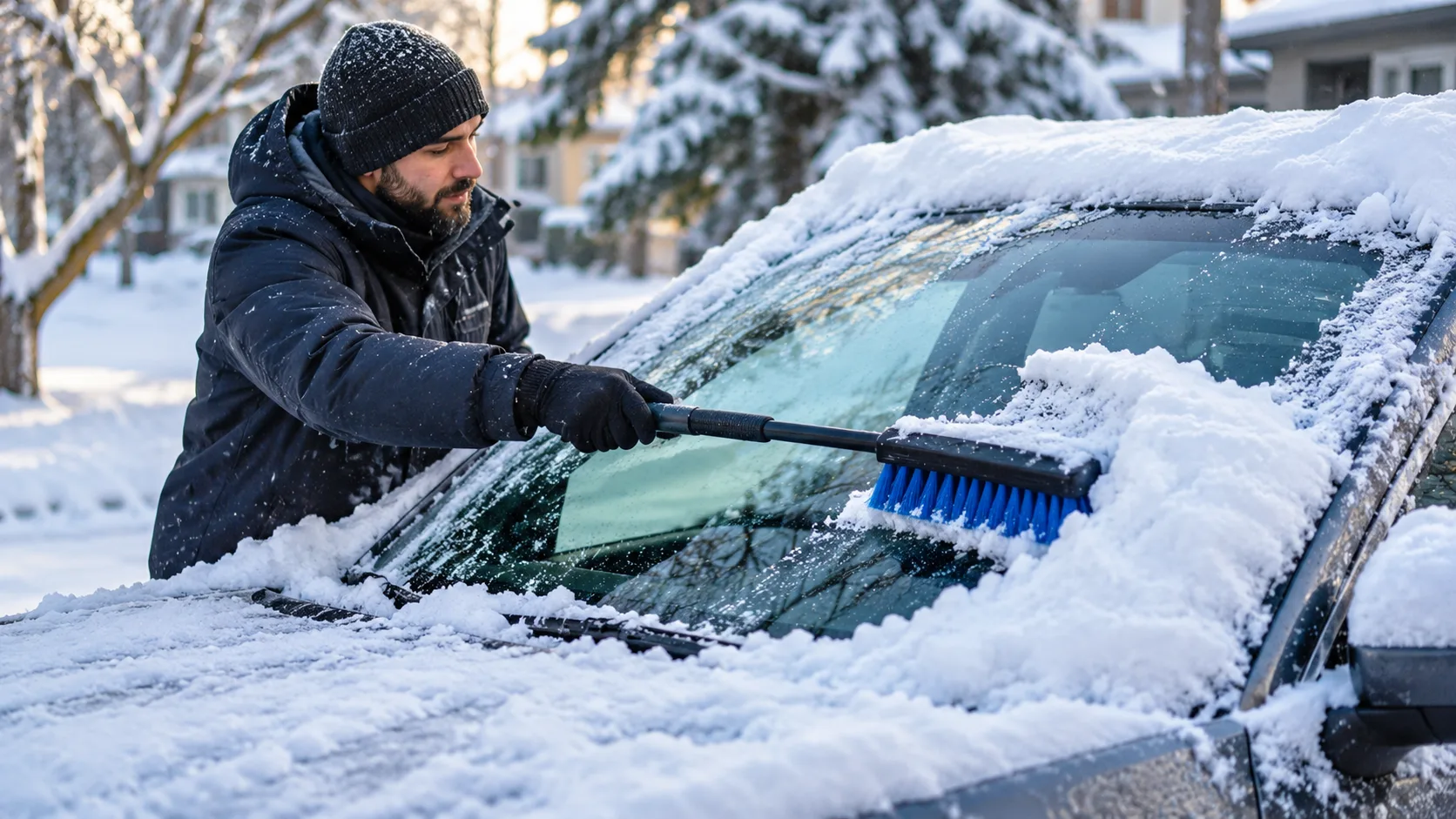
One of the most common winter driving mistakes is leaving snow on the roof, windows or lights.
Before starting your journey, clear:
Front and rear windshields
Side windows and mirrors
Headlights and taillights
Roof and hood
Licence plates
A small cleared area on the windshield is not enough. You need proper visibility in every direction.
Snow left on your vehicle can also blow onto other vehicles and create dangerous visibility problems.
3. Reduce Your Speed and Increase Following Distance
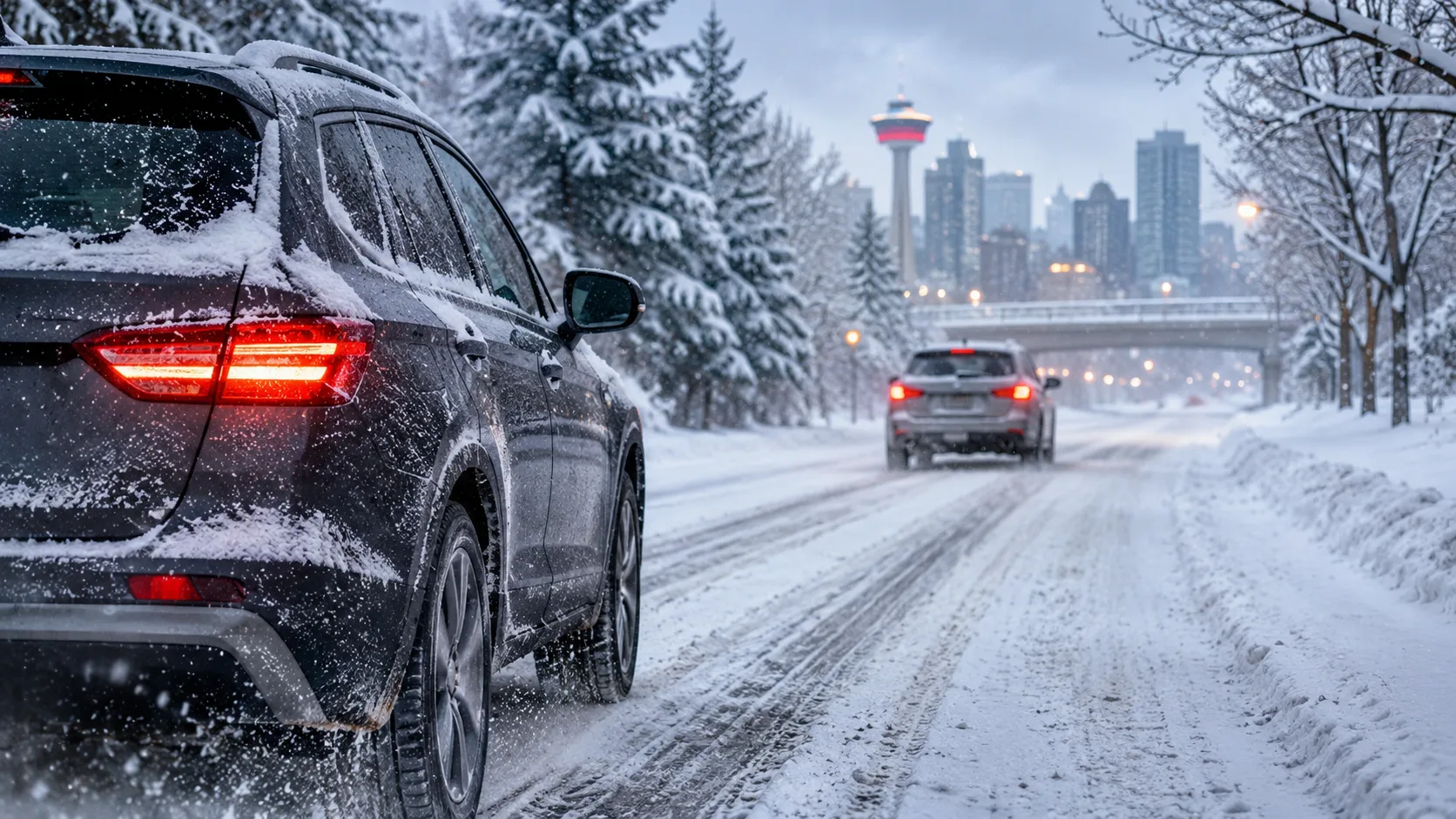
This is one of the most important winter driving habits.
Snow, slush and ice reduce tire grip, which means your vehicle may take much longer to stop than it would on dry pavement.
Keep these points in mind:
Drive below the posted speed limit when road conditions require it.
Leave significantly more space between your vehicle and the one ahead.
Brake gently and early.
Avoid sudden acceleration or sharp steering movements.
Give yourself extra time to reach your destination.
Alberta Transportation recommends allowing at least three times the normal following distance on slick roads.
Remember, the posted speed limit is intended for ideal conditions. You are responsible for adjusting your speed to the actual road conditions.
4. Learn How to Handle Skidding
Losing traction can be frightening, particularly for inexperienced drivers. Understanding how to respond can help you avoid making the situation worse.
If your vehicle starts to skid:
Stay calm and avoid panicking.
Ease off the accelerator.
Avoid slamming on the brakes.
Look and steer in the direction you want the vehicle to travel.
Make smooth, controlled adjustments as the tires regain traction.
Avoid sudden steering movements. Overcorrecting can make a skid worse.
If you are unfamiliar with skid recovery, consider learning the correct techniques from a qualified driving instructor in a safe, controlled setting.
5. Be Extra Careful at Intersections and Turns
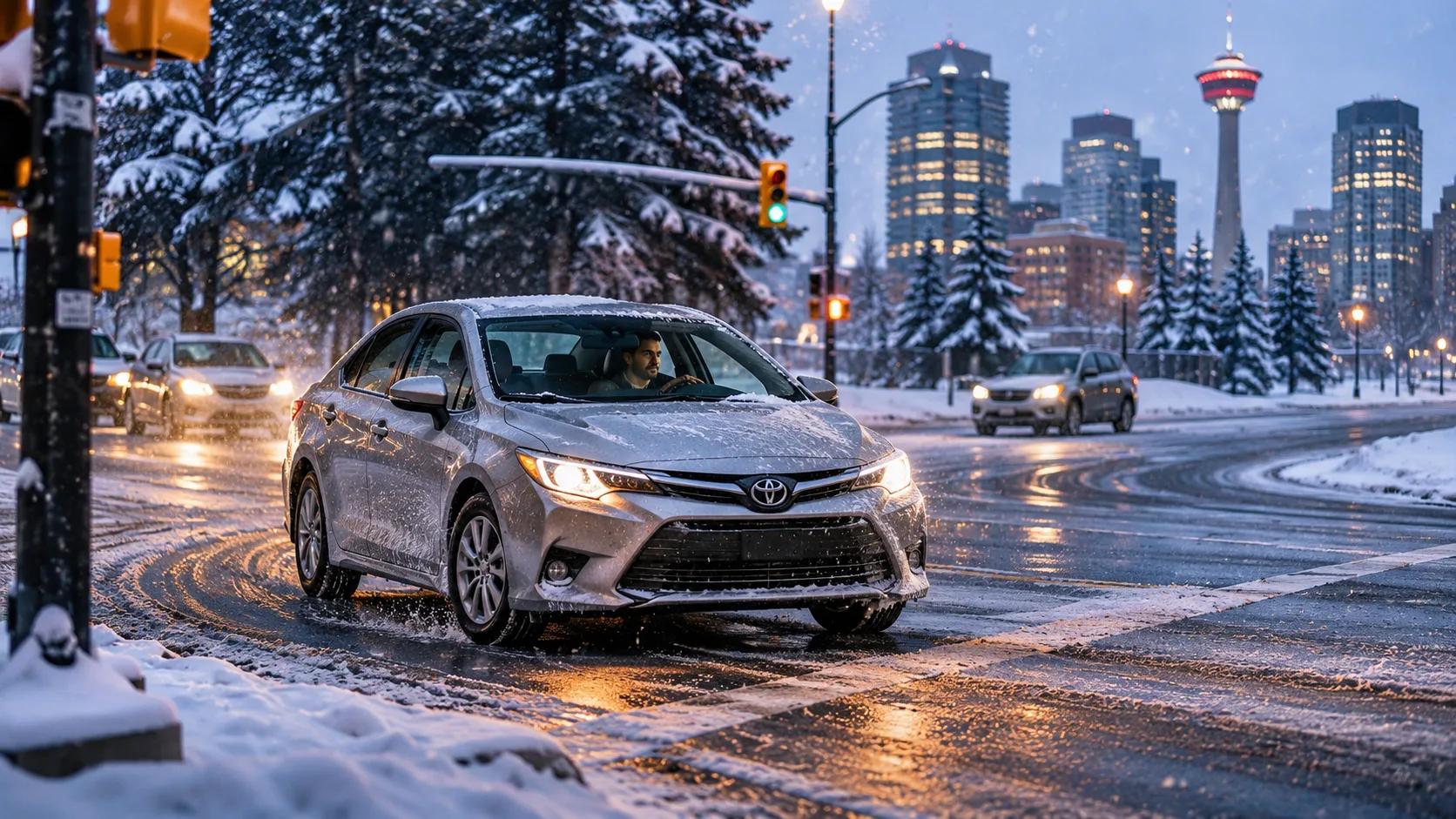
Intersections can become particularly slippery during Calgary winters.
Repeated braking, accelerating and turning can create polished or compacted snow and ice.
When approaching an intersection:
Start slowing down earlier than usual.
Maintain a safe distance from the vehicle ahead.
Avoid sudden braking.
Make turns slowly and smoothly.
Watch for pedestrians who may be difficult to see during snowfall.
When turning, reduce your speed before entering the curve rather than braking sharply while turning.
6. Watch Out for Black Ice
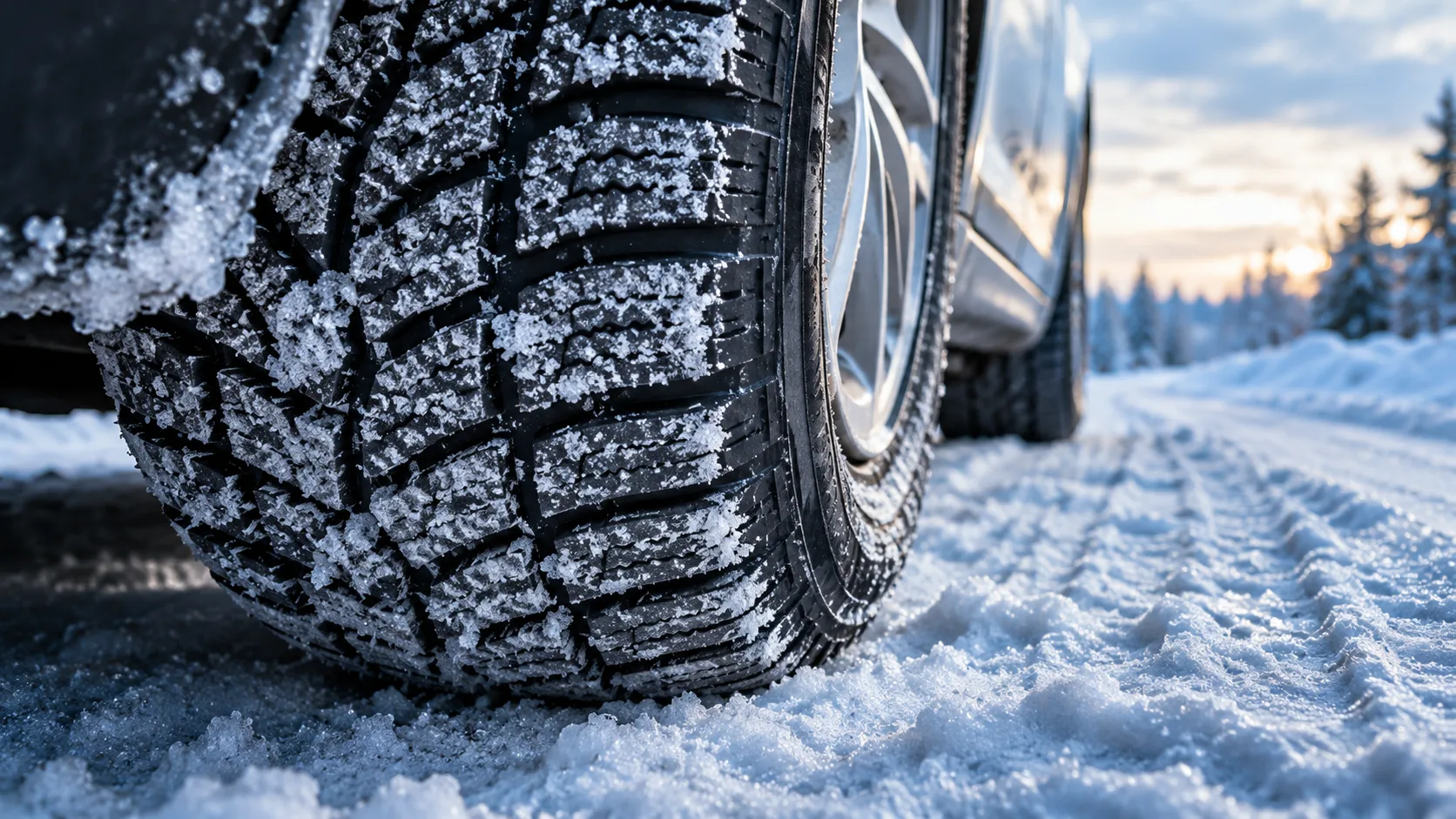
Black ice is a thin, transparent layer of ice that can be difficult to see because it often looks like ordinary wet pavement.
It can form on:
Bridges and overpasses
Shaded roads
Intersections
Areas where snow has melted and refrozen
Roads during sudden temperature changes
If the road looks unusually shiny or wet in freezing temperatures, be cautious.
Reduce your speed, avoid sudden movements and leave extra following distance. Never assume a road is safe simply because it looks clear.
7. Keep a Winter Emergency Kit in Your Vehicle
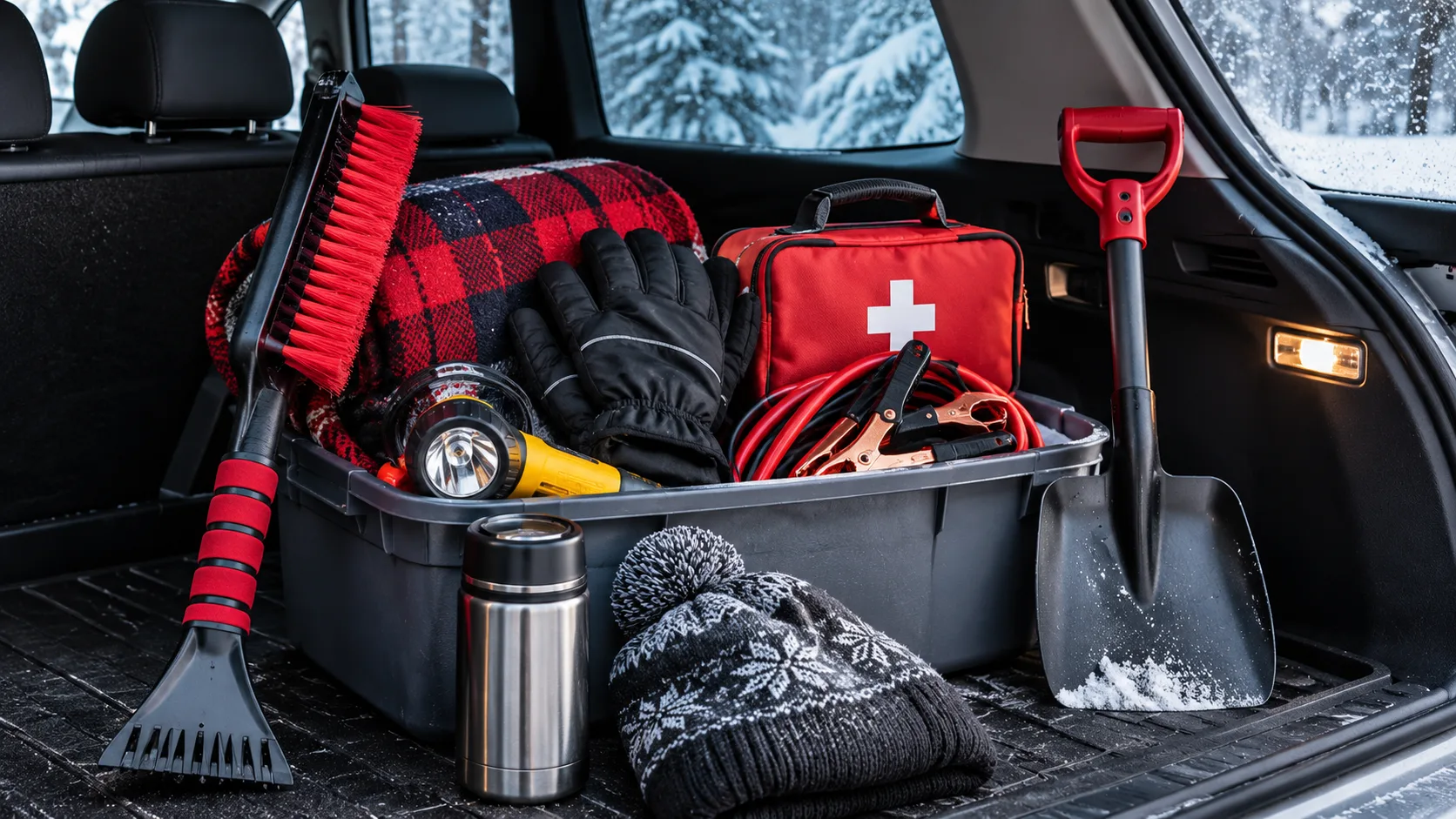
Even a short drive can become stressful if your vehicle gets stuck or breaks down during extreme winter weather.
Keep an emergency kit containing:
Snow brush and ice scraper
Warm blanket and extra clothing
Gloves and winter hat
Flashlight with extra batteries
First-aid kit
Booster cables or a jump starter
Small shovel
Non-perishable snacks and drinking water
Phone charger
Roadside warning equipment
Also keep your fuel tank sufficiently full, especially before travelling longer distances.
8. Avoid These Common Winter Driving Mistakes
Even experienced drivers can develop bad habits during winter.
Try to avoid the following:
Driving too fast: Speeding on snow-covered roads reduces your ability to react and stop safely.
Following too closely: Leave additional space because stopping distances increase on slippery surfaces.
Using cruise control: Avoid cruise control on snowy or slippery roads.
Sudden braking and acceleration: Smooth inputs help maintain traction.
Ignoring weather warnings: Check weather forecasts and road conditions before leaving.
Driving during severe storms unnecessarily: If conditions are dangerous, postpone your trip whenever possible.
9. New Drivers: Practise Before You Need the Skills
For someone who has recently received their licence or is preparing for a road test, winter driving can be a completely different experience.
Learning to drive on dry roads does not automatically prepare you for snow, ice, reduced visibility and slippery intersections.
Start by practising essential skills with an experienced and qualified instructor:
Smooth acceleration and braking
Safe turns and lane changes
Mirror checks and shoulder checks
Maintaining proper following distance
Understanding vehicle behaviour on slippery roads
Recognising potential road hazards
Build your confidence gradually. Never practise risky manoeuvres in busy traffic or uncontrolled conditions.
10. Check Road Conditions Before You Leave
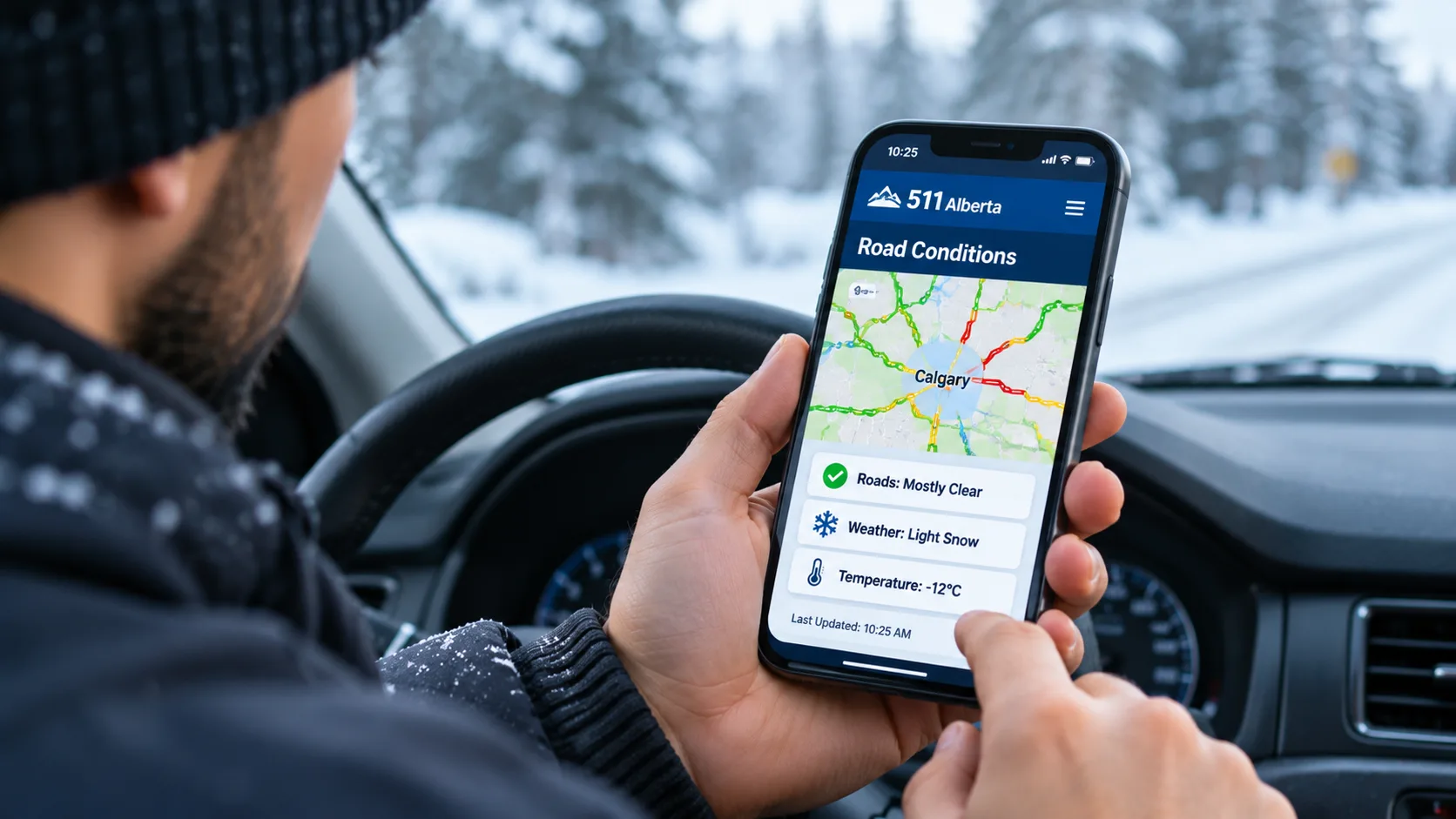
Before travelling, check the latest weather forecast and road reports.
For Alberta highways, use 511 Alberta (opens in a new tab) to review road conditions, closures and travel advisories.
If authorities advise against travel during a severe storm, take that warning seriously.
Sometimes the safest driving decision is not to drive at all.
Final Thoughts: Make Winter Driving a Safer Experience
Calgary winters can be challenging, but preparation and good driving habits make a real difference.
Prepare your vehicle, clear your windows, slow down, maintain extra following distance and stay alert to changing road conditions.
Most importantly, remember that winter driving is a skill that improves with knowledge and practice.
At Driving Zone Driving School, we help Calgary drivers develop essential driving skills, build confidence and become safer on the road.
Whether you are a beginner or looking to improve your driving abilities, professional guidance can help you prepare for different road and weather conditions.
Ready to become a more confident driver this winter?
Visit Driving Zone Driving School to explore our driving lessons and registration options.
📍 Calgary, Alberta
📞 403-831-8888
🌐 www.drivingzonecalgary.ca
Frequently Asked Questions
Are winter tires mandatory in Alberta?
No. Alberta does not currently mandate winter tires for passenger vehicles. However, winter or suitable all-weather tires are recommended for improved traction in snowy and icy conditions.
How much following distance should I maintain in winter?
Alberta Transportation recommends allowing at least three times the normal following distance on slick roads. Increase your distance further when visibility or traction is particularly poor.
Is it safe to use cruise control on icy roads?
No. Avoid using cruise control in winter driving conditions, particularly on snowy or slippery surfaces.
What should I do if my car starts skidding?
Ease off the accelerator, avoid sudden braking and steer smoothly in the direction you want the vehicle to travel. Avoid overcorrecting.
Where can I check Calgary and Alberta road conditions?
For Alberta highways, visit 511 Alberta at https://511.alberta.ca/ (opens in a new tab) for current road conditions, closures and advisories.